
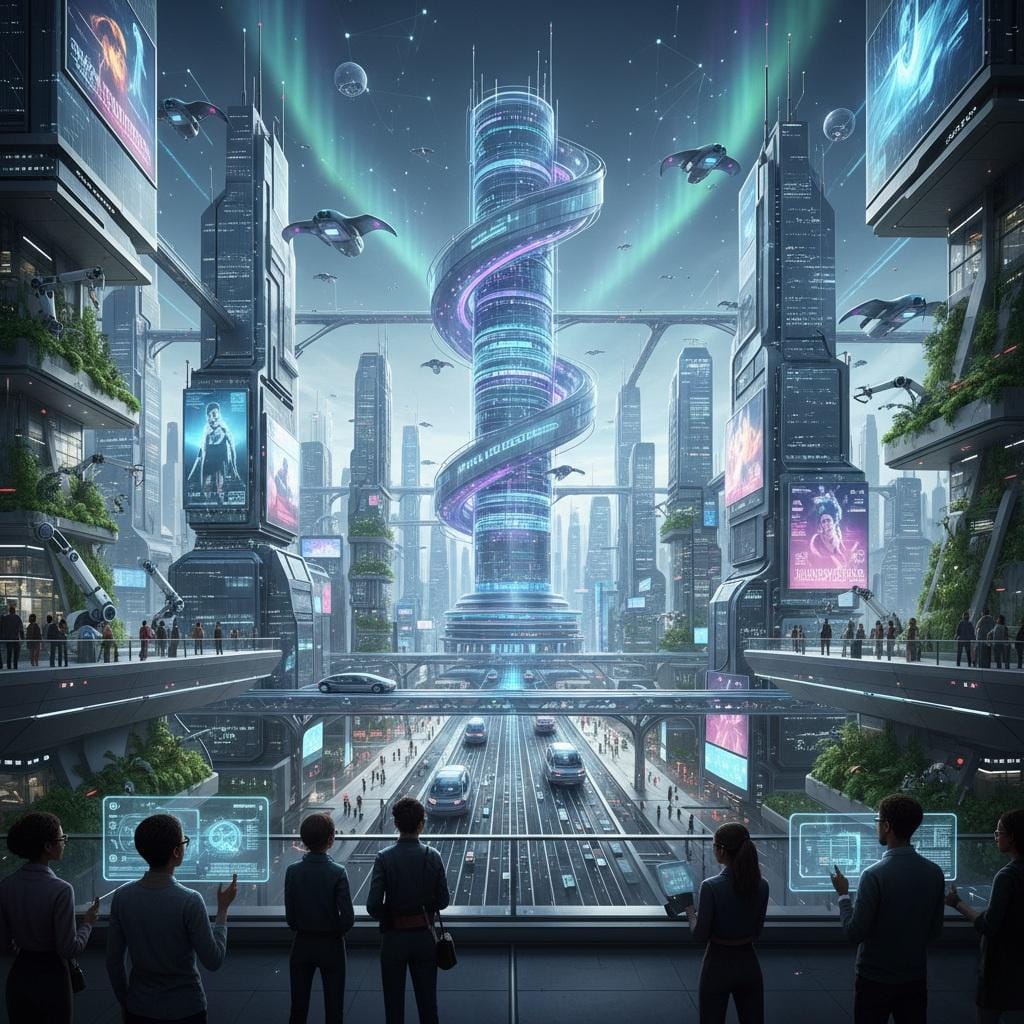
Artificial intelligence has moved far beyond technology laboratories and business tools; it’s actually woven into almost every part of our daily life. From how to work and communicate with others to shop, learn, and even stay healthy, AI is already reshaping the way we live in 2025.
Let’s dive into how AI is making everyday life smarter, faster, and more personalized than it has ever been.
Smarter Communication
AI is changing the way we interact with others. Real-time translation tools break down the boundaries of language and allow people from different geographies to effortlessly converse with each other. The virtual assistants Siri, Alexa, and Google Assistant are becoming intuitive by understanding the tone, emotions, and context, making conversations with machines almost human.
AI in Our Homes
In 2025, homes are standardly made to be smart. AI-powered devices will automatically adjust lighting, temperature, and security according to our habits. Voice-controlled kitchens suggest recipes that use available ingredients, and cleaning robots keep homes spotless without issuing a single command. It is comfort and convenience powered by intelligence.
Transportation and Mobility
From self-driving cars to AI-guided traffic systems, transportation has become both safer and efficient. In cities, AI helps in the efficient arrangement of public transport while reducing congestion. For drivers, cars now predict maintenance issues before they happen, while navigation systems change routes in real time based on the weather and traffic conditions.
Work and Productivity
AI tools are transforming the nature of work. Repetitive tasks, such as data entry, scheduling, and report generation, are automated, freeing up creative and strategic thinking. From coding and designing to penning documents, AI-powered platforms like ChatGPT and Copilot help professionals get the job done in record time, transforming productivity across industries.
Healthcare Revolution
AI is going to make medicine more predictive and personalized. Wearable devices will track heart rate, sleep, and stress in real time and warn users and doctors about potential problems early. AI diagnostic systems allow doctors to identify diseases more quickly and more accurately than ever, thereby saving lives and improving treatment outcomes.
- At the end of the last ice age, Lake Agassiz spanned a vast area from the Great Lakes to the Canadian Prairies.
Shopping and Personalization
Online shopping seems to know you really well now. AI algorithms recommend products for your taste, lifestyle, and even mood. In the brick-and-mortar stores, AI sensors and smart mirrors help customers find perfect fits or visualize products in real time. Shopping has become more about experience than transaction.
Education and Learning
AI-driven learning platforms adapt to the speed and style of every student. Personalized tutoring, virtual classrooms, and AI grading systems make education more accessible and engaging. Students can now learn complex subjects through interactive simulations, Learning is no longer confined by location or resources.
The Future Ahead
AI by 2025 is no longer in the future. Instead, it continues to evolve as more is learned from human behavior about how to live, work, and communicate. Much of what the future holds for AI will involve everything from creativity inspired by AI to fully integrated automated cities. What’s certain is that AI isn’t replacing humans; it’s enhancing human potential.